

What is Functional Lighting?
, par Calex , 6 min temps de lecture
, par Calex , 6 min temps de lecture
Functional lighting provides the necessary lighting we need for the daily activities in our lives. Functional lighting focuses on specific areas to provide targeted brightness where needed. For example, we need light at the door so we can find the keyhole at night, and a light next to the bed so we can read a book at night.
What is functional lighting?
When decorating your interior, functional lighting plays a crucial role. Besides fulfilling its primary task, to illuminate a room, functional lighting is also a powerful tool to add practical elements to your living space. In this blog, we dive deeper into the world of functional lighting and discover how it not only lights up the dark corners of your home, but also improves its ambience and functionality.
Definition of Functional Lighting
Functional lighting provides the necessary lighting we need for the daily activities in our lives. For example, we need light at the door so we can find the keyhole at night, and a light next to the bed so we can read a book at night.
So, unlike general lighting, which evenly lights the entire room, functional lighting focuses on specific areas to provide targeted brightness where needed.
The Importance of Functional Lighting
1. Improved visibility: One of the main uses of functional lighting is to improve visibility. Whether you are reading a book, cooking, or working at your desk, the right amount of light in the right location is essential to reduce eye fatigue and improve precision.
2. Task-oriented Efficiency: Functional lighting contributes to the efficiency of everyday activities by illuminating specific areas where everyday tasks are performed. For example, consider a desk lamp focused on your workspace or lighting in the kitchen that gives you a clear view of cutting and preparing food.
3. Atmosphere and Aesthetics: While functional lighting is primarily designed to perform specific tasks more efficiently, it also contributes to the overall aesthetics and atmosphere of a room. Modern designs often include elegant fixtures that are not only functional, but also add a decorative element to the interior.
Where do you use functional lighting at home?
At home, functional lighting is the essential backbone for focused tasks and activities. From the kitchen to the workspace and reading areas, discover how functional lighting becomes an addition to various rooms in the home.
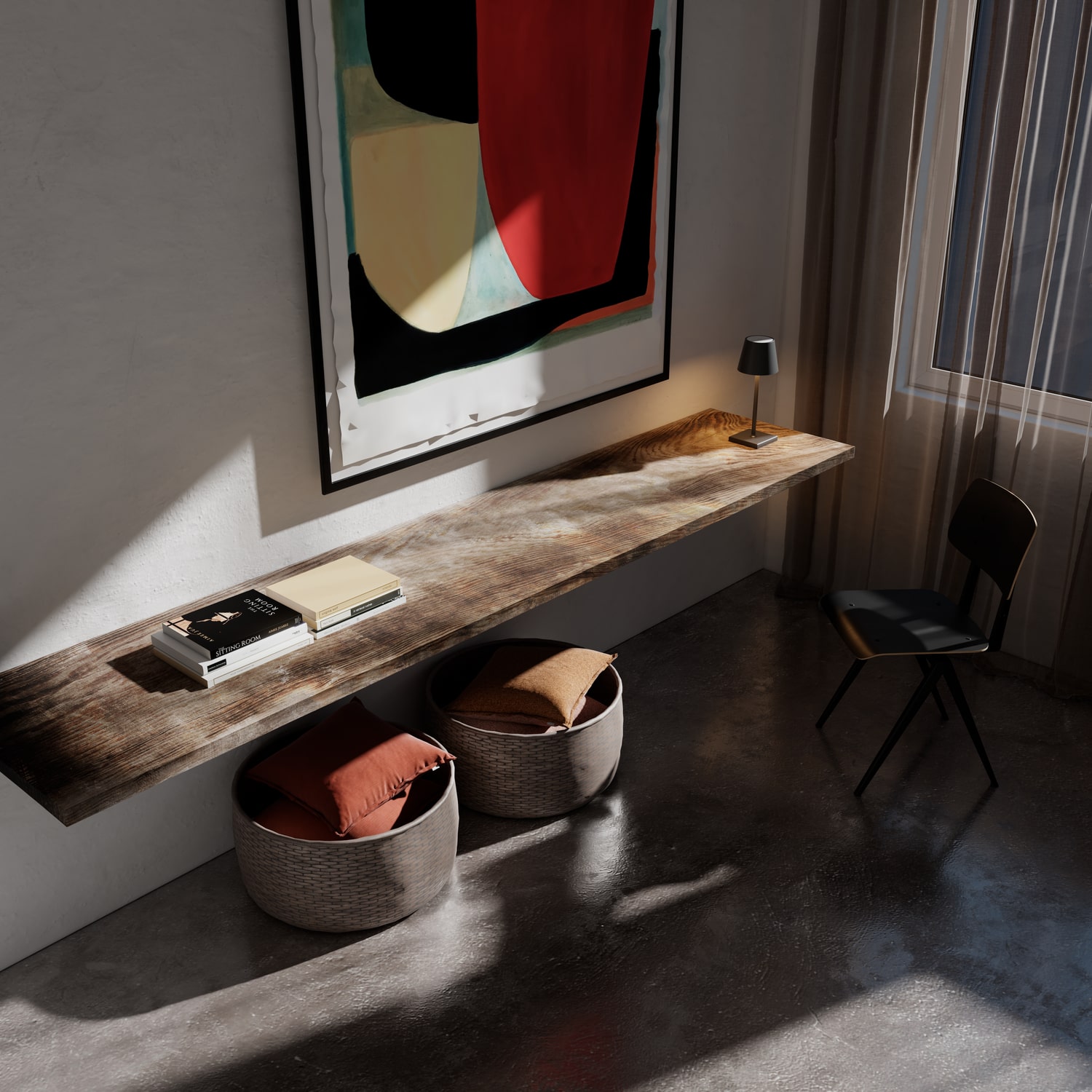
1. Workplace: Place desk lamps or adjustable pendant lights above worktables to provide sufficient light for reading, writing, or working at the computer. An additional table or desk lamp can provide just the right amount of illumination you need to fully immerse yourself in your work. Therefore, the rechargeable & portable table fixture Luca is a highly suitable addition to your workspace. The intuitive touch controls allow you to adjust the brightness levels to match the desired brightness.
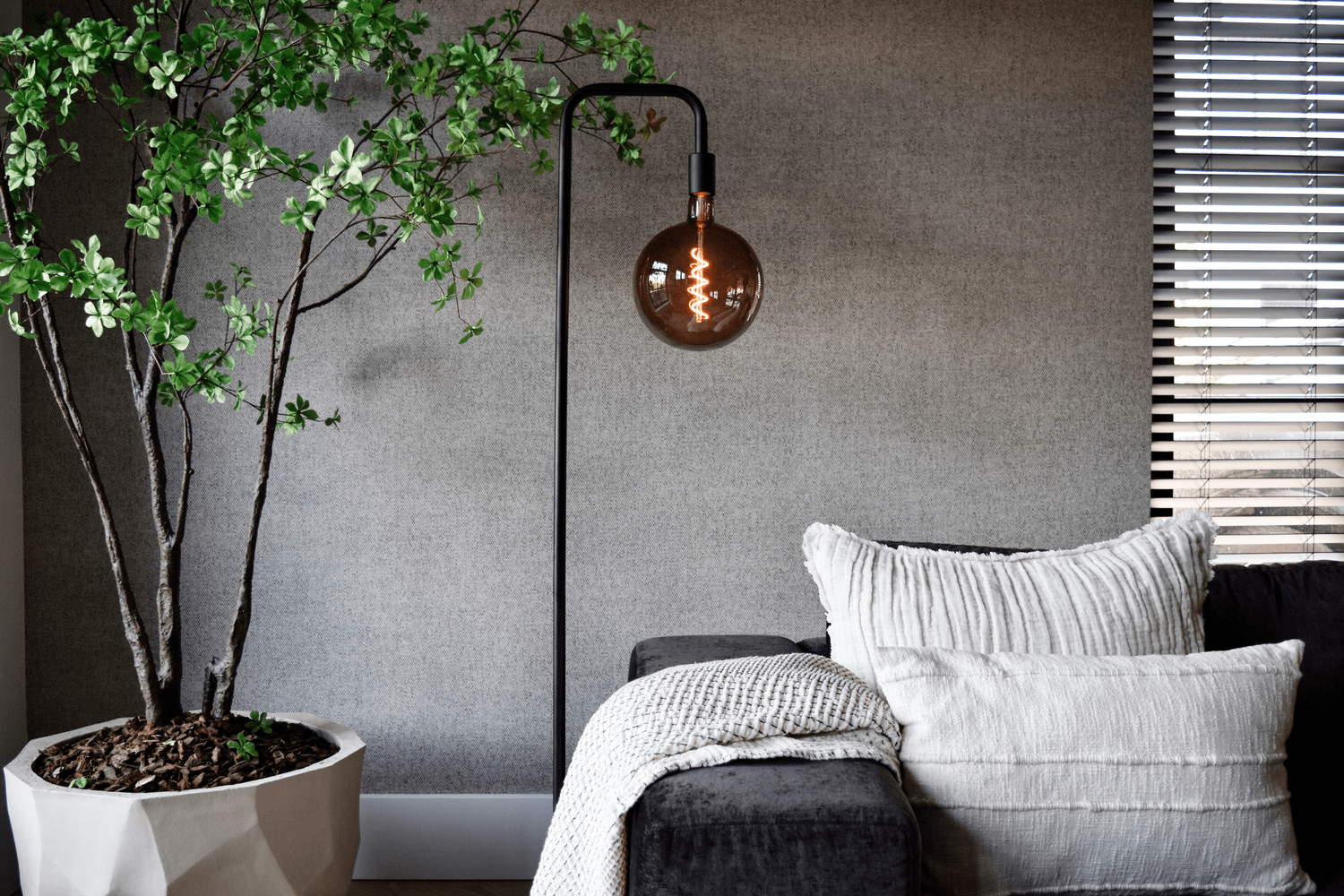
2. Reading area: Create a cozy reading area in the living room or bedroom using a floor lamp or wall lamp focused on the reading area. At home there is no better place to read a good book than on the couch under a cozy blanket. Even as it gets darker outside, you simply want to continue reading. However, adding extra lighting near the couch can be a challenge. That's why this stylish U-Line Floor Lamp is ideal for placing behind the couch, seamlessly blending functionality with elegance.
3. Kitchen: Under-cabinet lighting in the kitchen provides direct light on the countertop, which makes preparing food safer and easier. These indoor pucklights can be installed anywhere, making it suitable for any kitchen. With their high Kelvin value (2700-6500 K), they ensure excellent illumination over your kitchen countertop.
-min.png)
4. Bathroom: Place bright lighting above or next to the mirror to provide enough light for daily tasks such as shaving, applying makeup, or brushing teeth. When lighting in the bathroom, make sure the lamps can withstand a bit of water, this is indicated by the IP rating.
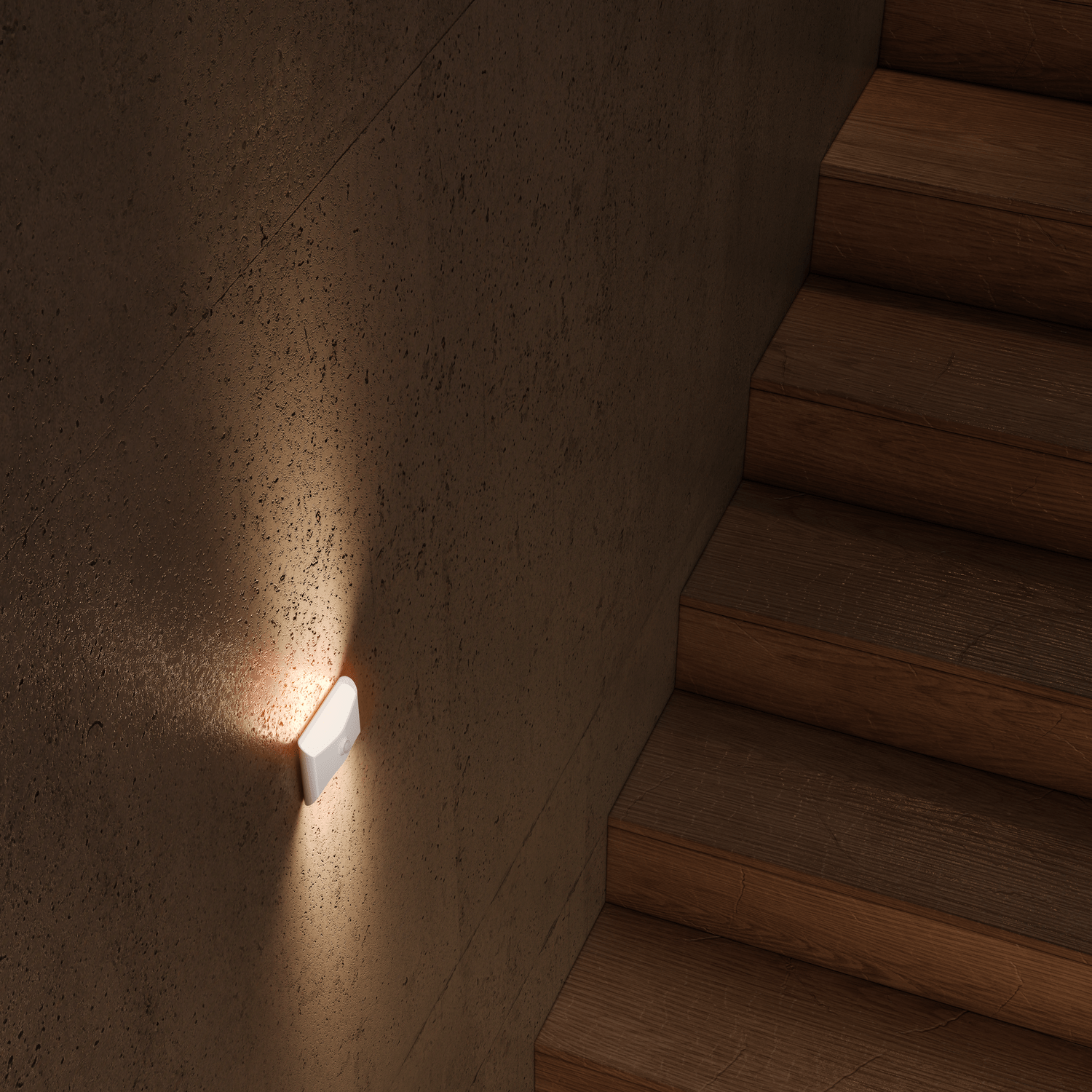
5. Stairs and hallway: Place wall lights or recessed lighting in hallways and stairs to increase safety and create a pleasant ambiance. Thanks to the built-in sensor of the indoor sensor up & down light, the staircase is lit automatically, only when necessary. This way, you can safely walk up and down a well-lit staircase at night to retrieve that phone charger you forgot about, without waking up the entire household by turning on all the lights.
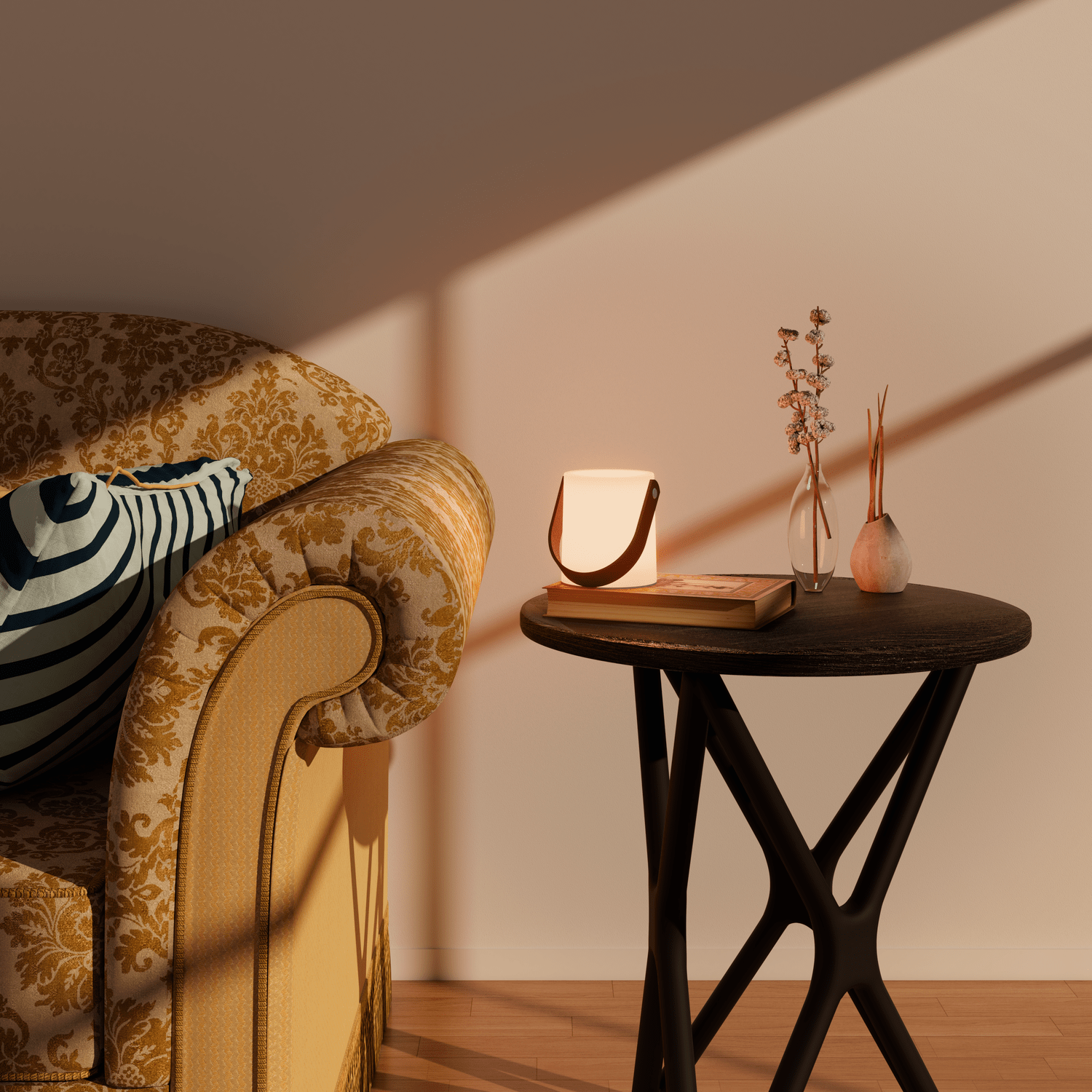
6. Children's room: Use functional lighting in children's rooms for reading, playing, and studying. For example, an adjustable lamp by the desk or a wall lamp by the bed. The Battery Table Lamp is particularly suitable for children's rooms for several reasons. First, thanks to its portability, it can be used anywhere, whether to help finish homework, provide extra light while building a LEGO masterpiece or as a night light next to the bed. The soft lighting, not too bright, provides just the right amount of light to make a child feel safe at night. Plus, the built-in 4-hour timer mode automatically turns off the light, offering convenience and ensuring it doesn't stay on unnecessarily.
Important tips
Now you know what functional lighting means, its functions and where to use functional lighting. But what should you be aware of when installing functional lighting? We have summed up some tips for you:
1. Identify Activity Zones: Start by identifying the different activity zones in your home, such as reading areas, workstations, and cooking areas. These zones have specific lighting needs, and understanding these requirements is the first step to effective functional lighting.
2. Use Layered Lighting: Combine different layers of lighting for a versatile and pleasing atmosphere. Use general lighting as a base, add functional lighting for specific activities, and deploy ambient lighting to enhance the overall ambiance.
3. Choose the Right Type of Lighting: Select lighting that suits the specific tasks in each room. Consider desk lamps for workstations, reading lamps for cozy areas, and bright kitchen lighting for cooking areas.
4. Dimmability for Flexibility: Choose dimmable lamps to adjust brightness to suit different activities and moods. This gives you flexibility and allows you to adjust lighting for both functional needs and desired ambiance.
5. Consider Energy-Efficient Options: Choose energy-efficient lighting, such as LED bulbs. Not only do these contribute to sustainability, but they also have a longer lifespan and help reduce energy costs in the long run.
By applying these tips, you can effectively integrate functional lighting into your home, making it not only well-illuminated but also functional and attractive.
Conclusion
Functional lighting is more than just illuminating a space; it is a thoughtful approach to improving visibility, efficiency, and aesthetics. When planning your interior design, it is essential to pay attention to functional lighting to create a balanced, well-lit, and attractive living space. So carefully choose the right lighting and enjoy the many benefits functional lighting has to offer.

Functional lighting provides the necessary lighting we need for the daily activities in our lives. Functional lighting focuses on specific areas to provide targeted brightness...

When we talk about running races, we often think of a marathon. But our colleague Marijn goes one ‘step' further than that. After 20 years...

In a world where technology increasingly simplifies our lives, it's also important to think about the safety of our homes. Whether you want to keep...

Mother's Day is approaching and it's time to give your mother some extra love. But let's be honest, finding the ideal Mother's Day gift can...